How agricultural decision infrastructure works, and why the layers should be treated separately
A connected farm is not one platform; it is a stack of layers that can each fail in its own way, and the layers should be treated separately. The vendor offerings reviewed here make integration the cost centre, and the owner should hold the decision authority and the data.
A connected farm is not one platform; it is a stack of layers that can each fail in its own way, and the layers should be treated separately. Agricultural decision infrastructure can be viewed as four layers: sensing, connectivity, control and supervision. Treat the layers separately, keep the owner's decision authority and data intact, and buy components that can be swapped rather than a stack that locks the farm in. That discipline lets an owner localise a failure to a layer instead of fighting the whole system as one undifferentiated product.
The framework is a supervisory-control model, not a finding drawn from agricultural research. SCADA, supervisory control and data acquisition, is the historical precedent: computers, networked data communications and graphical interfaces used to supervise machines and processes, and the same structure now applies to a connected farm.
The decision stack
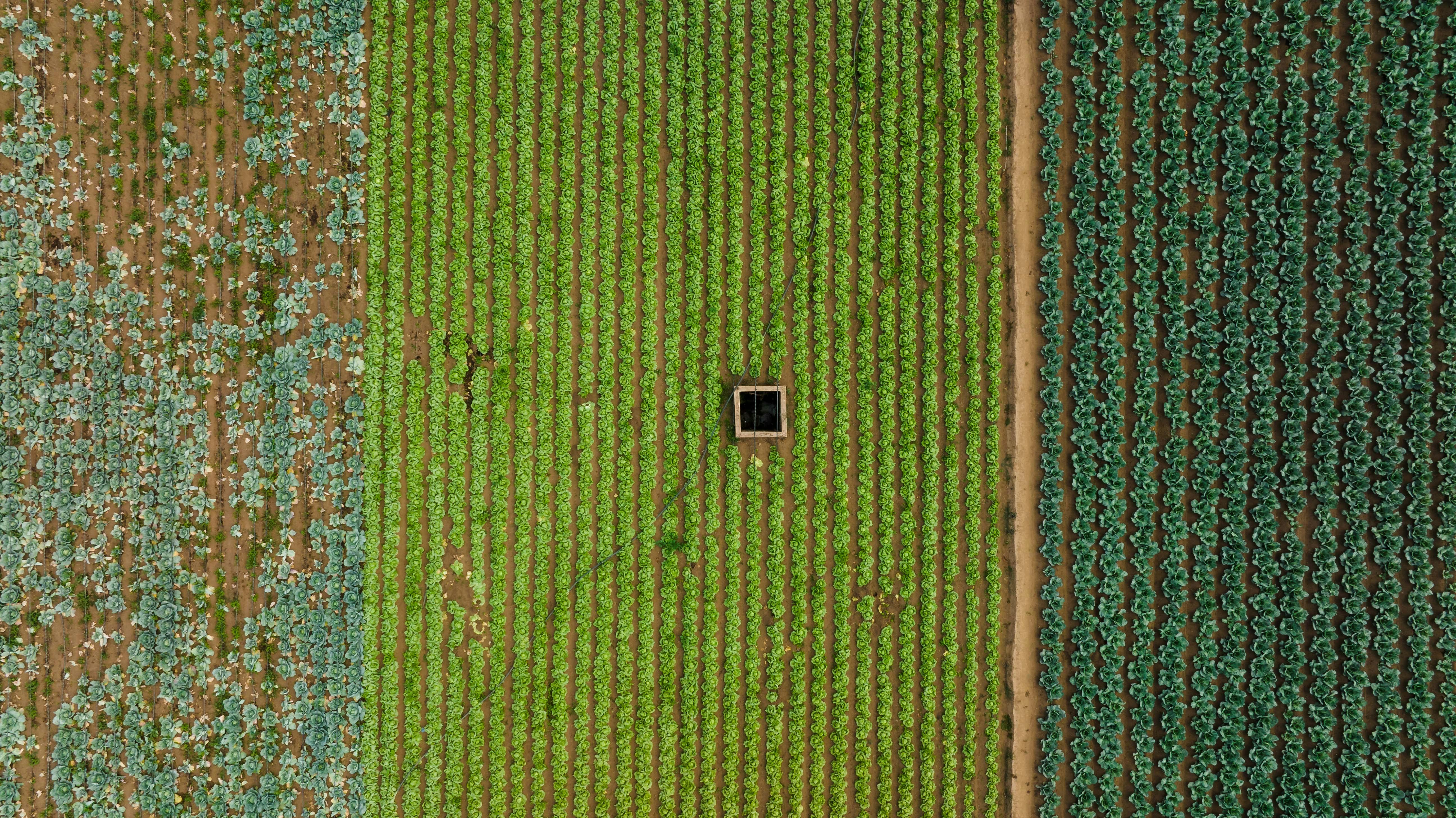
- The sensing layer measures the physical world: soil probes, weather stations, pump controllers and vehicle telemetry.
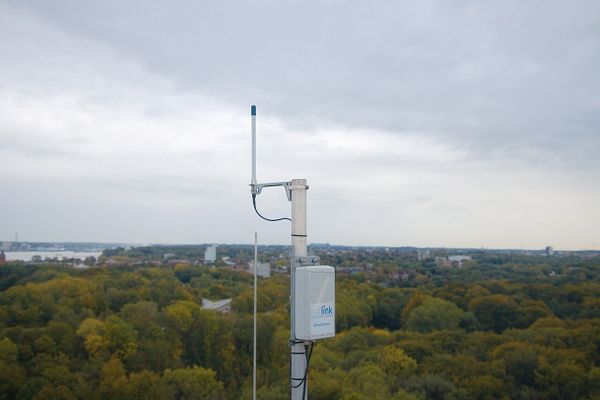
- The connectivity layer moves those measurements to where they can be used.
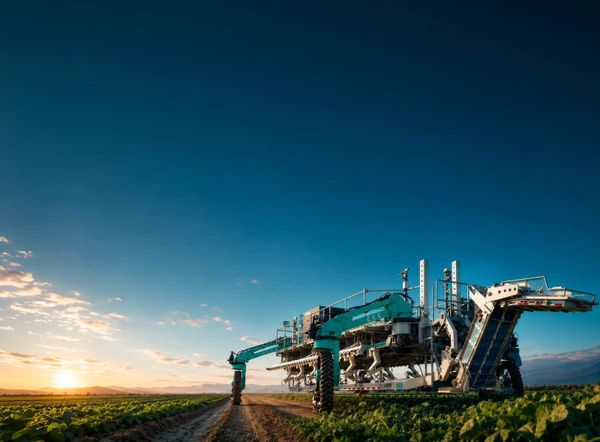
- The control layer acts: valves, pumps, variable-rate drives and increasingly autonomous machines.
- The supervisory layer is where a human, or a model standing in for a human, turns data into a decision.
Why the layers should be treated separately
Each layer can fail in its own way. Sensors drift. Links drop. Actuators stick. Supervisors misjudge. Under a layered model, a farm can name the failing layer; with a monolithic platform, the failure is harder to isolate. That separation is the difference between a two-hour repair and a two-week vendor argument.
An integrated stack removes assembly work, and that is genuinely easier for a farm without its own technical staff. A single vendor that supplies sensing through supervision can pre-wire the integration, present one bill and answer one support line. The cost of that convenience is measured in the exit: the accumulated data record, and the ability to change one layer without changing the rest. The trade-off is not integration versus isolation; it is paying someone to assemble the stack versus keeping the authority to leave it.
Interoperability is the cost centre
The vendor offerings reviewed here make the cost structure visible. Climate's partner page lists a specific set of brands that have agreed to exchange data, which makes the FieldView interoperability list bounded rather than open, and everything outside that list requires a separate path (Climate FieldView SA partners). John Deere routes machine data through its own platform, so a mixed-fleet farm must decide where its data record lives (John Deere's data platform). Davis sells an open sensor platform with per-node and per-service pricing, which keeps hardware replaceable but makes the buyer assemble the integration (Davis EnviroMonitor).
The prices in the reviewed material give the cost-centre argument a concrete shape. Davis lists a gateway at about US$1,095, with per-node and service charges on top, so an open stack prices its assembly work explicitly. Climate's pricing page shows FieldView Plus from R11,000 per year in South Africa, and METER's product page lists the TEROS-11 soil probe at R6,736.59 locally (Climate FieldView SA pricing; METER TEROS-11). The practical cost in this market is rarely a single device and more often the integration between one vendor's sensor and another vendor's dashboard, plus the work of keeping the stack alive across seasons and staff changes. Where data flows through a documented, replaceable path, an owner keeps options; where the record only moves inside one vendor's platform, the farm's history travels with that vendor.
What an owner should hold onto
The owner should hold the decision authority and the data. The equipment is replaceable; the accumulated record of how the farm actually behaves is not. Buy components that can be swapped, keep data in a form another system can read, and treat the supervisory layer as an asset rather than as a vendor service rented by the season. The test is simple: if the platform vendor changed tomorrow, what would the farm lose, and could it leave?
Whether the major platforms open or tighten their export paths will decide whether the ownership argument holds in practice. If data export and documented interfaces expand, the ownership argument becomes easier to act on; if the platforms close those paths, the farm's history becomes the vendor's asset, and the layers stop being separable in practice.